Trauma-Informed Care in Drug Rehab: A Safer Path to Recovery
Understanding how trauma-sensitive addiction treatment builds trust, supports emotional healing, and helps people work toward lasting recovery.

Introduction
Recovering from drug addiction is not always just about stopping substance use. For some people, the struggle is closely connected to painful experiences from their past.
Childhood abuse, violence, neglect, serious accidents, or other distressing events can leave emotional effects that continue for years. Some people turn to drugs to cope with difficult memories, fear, or overwhelming feelings.
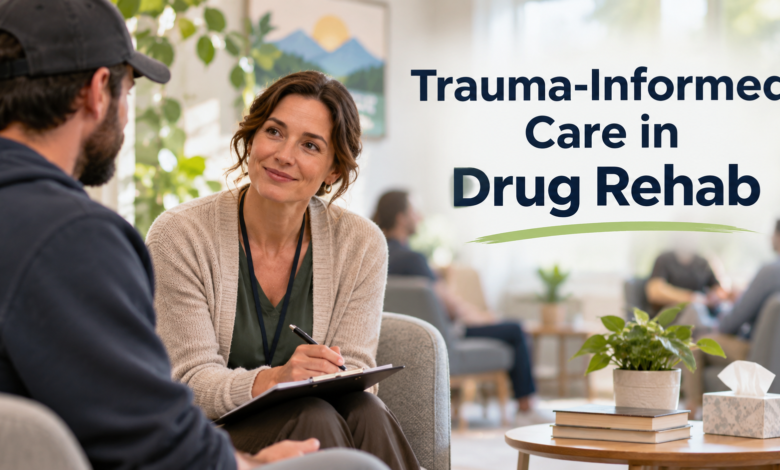
This is where trauma-informed care in drug rehab becomes important.
Rather than treating addiction as an isolated problem, this approach recognizes how trauma may affect a person’s behavior, relationships, emotional health, and recovery experience.
The goal is simple: create a treatment environment where people feel safe, respected, heard, and involved in decisions about their care.
Quick Facts About Trauma-Informed Care
| Topic | Details |
|---|---|
| Treatment approach | Trauma-informed addiction care |
| Main purpose | Provide safe, respectful, trauma-sensitive treatment |
| Primary focus | Emotional safety, trust, personal choice, and recovery |
| Common settings | Residential rehab, outpatient treatment, counseling centers |
| Who may benefit | People receiving addiction treatment, particularly those with trauma histories |
| Common methods | Counseling, peer support, coping skills, and individual treatment planning |
| Core principles | Safety, trust, peer support, collaboration, empowerment, and cultural consideration |
| Professional guidance | SAMHSA trauma-informed care framework |
What Is Trauma-Informed Care in Drug Rehab?
Trauma-informed care is an approach to addiction treatment that considers how past distressing experiences may influence a person’s current feelings and behavior.
It does not assume that everyone entering rehab has experienced trauma. Instead, treatment providers recognize that trauma is common and take steps to prevent further emotional harm.
Traditional addiction programs may focus primarily on substance use, cravings, withdrawal, and behavioral changes.
Trauma-informed programs address those needs while also considering emotional safety, stress responses, personal boundaries, and psychological well-being.
For example, a person who experienced abuse may become uncomfortable when someone raises their voice, touches them unexpectedly, or pressures them to discuss private experiences.
A trauma-informed counselor recognizes these reactions and adjusts their approach.
The person is treated with dignity rather than judgment.
Understanding the Connection Between Trauma and Addiction
Trauma and substance use disorders can be connected, although experiencing trauma does not automatically lead to addiction.
Some people use alcohol or drugs to temporarily escape distressing thoughts, sleep difficulties, anxiety, or painful memories.
The relief may be temporary.
Repeated substance use can create additional physical, psychological, and social problems. Over time, dependence or addiction may develop.
People experiencing trauma-related difficulties may also struggle with:
- Anxiety and persistent fear
- Depression or emotional numbness
- Sleep problems and nightmares
- Difficulty trusting others
- Strong reactions to certain situations
- Problems managing stress
- Social isolation
- Shame or low self-esteem
These experiences can make addiction treatment more complicated.
When a person has both a substance use disorder and post-traumatic stress disorder (PTSD), professional treatment may need to address both conditions.
Importantly, not everyone with addiction has PTSD, and a trauma history alone is not enough to establish a diagnosis.
The Six Principles of Trauma-Informed Addiction Treatment
Trauma-informed care follows several principles that help treatment providers create a respectful and supportive recovery environment.
1. Physical and Emotional Safety
People receiving treatment should feel physically protected and emotionally respected.
A rehab center can support this through clear boundaries, private counseling spaces, predictable routines, and respectful communication.
Emotional safety also means avoiding humiliation, threats, and unnecessary confrontation.
2. Trust and Transparency
Trust often develops slowly, especially for people who have experienced betrayal or abuse.
Treatment providers should explain procedures, treatment expectations, confidentiality, and program rules clearly.
When people understand what is happening and why, they may feel more comfortable participating.
3. Peer Support
Connecting with others who have faced similar recovery challenges can reduce feelings of isolation.
Peer support groups may provide encouragement, shared understanding, and practical coping ideas.
These groups should respect privacy and avoid pressuring participants to reveal traumatic experiences.
4. Collaboration
Recovery works best when individuals can participate in decisions about their treatment.
Counselors and patients can work together to establish goals, discuss concerns, and adjust treatment plans when appropriate.
This helps build a more cooperative relationship.
5. Empowerment and Personal Choice
Trauma can leave people feeling powerless.
Trauma-informed treatment supports a person’s ability to make informed choices and regain confidence.
Depending on clinical needs and program resources, this might include choosing between suitable therapy options or discussing preferences for individual and group counseling.
6. Cultural and Personal Consideration
People experience trauma differently depending on their background, beliefs, identity, and life circumstances.
Treatment should respect those differences without making assumptions.
A thoughtful rehab program considers language needs, cultural experiences, accessibility, and individual preferences when planning care.
How Trauma-Informed Care Works in Drug Rehab
Trauma-informed treatment is not one single therapy.
It is a way of providing care throughout the rehabilitation process, from the first assessment to ongoing recovery support.
Initial Assessment
When someone enters rehab, trained professionals assess substance use, physical health, mental health, and immediate safety needs.
With appropriate consent, they may also ask about traumatic experiences or current trauma-related symptoms.
However, people should not be forced to describe painful events in unnecessary detail.
Individualized Treatment Planning
No two recovery experiences are identical.
One person may need medically supervised withdrawal management followed by counseling. Another may require treatment for addiction alongside depression or PTSD.
A personalized plan takes those differences into account.
Counseling and Psychological Support
Counseling can help people recognize stress responses, manage emotions, and develop healthier coping strategies.
Some individuals may benefit from structured trauma-focused treatment when they are ready and when it is clinically appropriate.
Supportive Daily Routines
Predictable schedules, respectful staff interactions, privacy, and clear expectations can make a treatment setting feel more manageable.
For someone who has experienced instability or abuse, these everyday details may matter greatly.
Continuing Care
Leaving rehab does not necessarily mean recovery work is finished.
Follow-up appointments, therapy, medication where appropriate, support groups, and practical assistance can support continued progress.
Common Therapies Used in Trauma-Informed Rehab
Different therapies may be included depending on a person’s diagnosis, preferences, and clinical assessment.
Cognitive Behavioral Therapy (CBT)
CBT helps people identify patterns of thinking and behavior that may contribute to distress or substance use.
It can teach practical skills for managing triggers, responding to cravings, and coping with difficult emotions.
Trauma-focused versions of CBT may be appropriate for certain trauma-related conditions.
Eye Movement Desensitization and Reprocessing (EMDR)
EMDR is a structured psychotherapy used in the treatment of PTSD.
It may be considered when a person has trauma-related symptoms alongside a substance use disorder.
It should be provided by appropriately trained professionals, with careful attention to the person’s readiness, stability, and treatment needs.
Motivational Interviewing
Motivational interviewing uses supportive, nonjudgmental conversations to help individuals consider change and identify their own reasons for recovery.
It avoids unnecessary arguments and confrontational pressure.
Group Therapy and Peer Support
Group sessions can offer connection and shared learning.
However, trauma-informed groups need clear rules about confidentiality, respectful communication, and personal boundaries.
Participants should not be pressured into disclosing traumatic experiences.
Mindfulness and Grounding Techniques
Grounding exercises can help some people manage moments of intense distress.
Examples include noticing objects in the room, using controlled breathing when comfortable, or focusing attention on present surroundings.
These techniques are supportive tools, not replacements for evidence-based addiction or PTSD treatment.
Why Emotional Safety Matters During Recovery
People entering drug rehabilitation may already feel anxious, uncertain, or ashamed.
Some have experienced difficult relationships, violence, unstable housing, or repeated setbacks.
A harsh treatment environment can make those feelings worse.
Trauma-informed care avoids practices that unnecessarily increase fear or remove a person’s sense of control.
For example, staff may explain a procedure before beginning, ask permission when appropriate, and provide reasonable privacy.
These actions might appear small.
For someone with a history of trauma, they can make a meaningful difference.
Emotional safety does not mean removing all discomfort from treatment. Recovery may involve difficult conversations, clear boundaries, and challenging personal changes.
It means approaching those challenges with respect and clinical care.
Benefits of Trauma-Informed Care in Drug Rehabilitation
A trauma-informed approach is intended to improve the treatment experience and support engagement in recovery.
Potential benefits include:
Better communication: Patients may feel more comfortable discussing concerns when they are treated respectfully.
Greater trust: Predictable procedures and transparent conversations can help strengthen relationships with treatment providers.
Reduced risk of retraumatization: Staff can recognize potentially distressing situations and adjust their practices.
Improved treatment participation: Feeling heard and respected may make it easier for individuals to stay engaged.
Healthier coping skills: Counseling and recovery support can help people respond to distress without automatically turning to substances.
More personalized support: Treatment plans can account for addiction, co-occurring mental health conditions, and practical recovery needs.
These are potential advantages, not guaranteed outcomes. Treatment success depends on several factors, including the quality of care, individual needs, available support, and appropriate clinical interventions.
Trauma-Informed Care vs Traditional Rehab
| Area | Trauma-Informed Approach | Less Trauma-Sensitive Approach |
|---|---|---|
| Communication | Collaborative and respectful | May rely on confrontation |
| Trauma awareness | Recognizes possible trauma-related reactions | May overlook trauma history |
| Patient involvement | Encourages informed choices | May offer limited participation |
| Emotional safety | Explicit treatment priority | May receive less attention |
| Counseling | Considers trauma and co-occurring conditions | May focus mainly on substance use |
| Treatment environment | Works to prevent retraumatization | May not systematically address triggers |
This comparison describes different care practices, not every traditional rehabilitation center. Many established addiction programs already incorporate trauma-informed principles.
How to Choose a Trauma-Informed Drug Rehab Center
Finding an appropriate rehabilitation center involves more than checking whether its website mentions trauma-informed treatment.
Families and individuals should ask how those principles are applied in everyday care.
Useful questions include:
- Are staff trained to recognize trauma-related responses?
- Does the center provide individualized treatment plans?
- Are qualified mental health professionals available?
- Can the program assess and treat co-occurring conditions?
- How are privacy and personal boundaries protected?
- What happens if someone becomes distressed during a session?
- Are evidence-based addiction treatments available?
- Does the center offer continuing care after discharge?
Licensing, accreditation where applicable, clinical qualifications, and transparent treatment policies are also worth checking.
For opioid use disorder, access to evidence-based medications such as buprenorphine or methadone can be particularly important.
A credible program should explain what it can treat and when a patient may need specialist care elsewhere.
The Role of Family and Loved Ones
Supportive relationships can help people feel less isolated during addiction recovery.
However, family involvement should always consider safety, consent, and the individual’s preferences.
Not every family relationship is healthy.
For someone whose trauma involved a family member, joint sessions may be inappropriate or require careful clinical assessment.
When family participation is suitable, loved ones can learn about addiction, trauma responses, healthy communication, and appropriate boundaries.
Simple behaviors matter.
Listening without judgment, respecting privacy, avoiding threats, and acknowledging progress can help create a more supportive environment.
Challenges in Trauma-Informed Addiction Treatment
Even well-designed treatment programs face difficulties.
Some people may find it hard to trust clinicians. Others may experience emotional distress during therapy or struggle with cravings when difficult memories arise.
Additional challenges include limited access to qualified professionals, treatment costs, transportation, housing instability, and gaps in continuing care.
There is also an important distinction between trauma-informed care and trauma-focused therapy.
Trauma-informed care shapes how the entire program treats people.
Trauma-focused therapy directly addresses trauma-related symptoms using specific clinical methods.
A rehab center may provide trauma-informed services without offering specialist PTSD therapy.
Understanding that difference helps people ask better questions before choosing treatment.
Recovery Is More Than Avoiding Drugs
Stopping harmful substance use is an important part of addiction treatment.
But recovery can involve much more.
Some people need to rebuild relationships, establish stable routines, manage anxiety, improve their physical health, or regain confidence.
Others require ongoing treatment for PTSD or another mental health condition.
Trauma-informed care recognizes that these needs may overlap.
It also respects the fact that recovery is rarely identical for two people.
Progress may include setbacks, changes in treatment, and periods when additional support is necessary.
The aim is not perfection.
It is a safer, healthier, and more sustainable way forward.
Final Thought
Trauma-informed care in drug rehab changes how treatment providers understand and respond to people experiencing addiction.
Instead of focusing only on substance use, it recognizes the role that past experiences, emotional safety, trust, and personal choice may play in recovery.
A supportive treatment environment cannot erase trauma overnight. Nor does trauma-informed care replace medical treatment or evidence-based psychological therapies.
What it can do is create better conditions for people to receive care without unnecessary shame, fear, or pressure.
And for many people, being treated with dignity is an important part of beginning again.
Frequently Asked Questions (FAQs)
1. What is trauma-informed care in drug rehab?
Trauma-informed care is an approach to addiction treatment that recognizes how past traumatic experiences may affect emotions, behavior, and recovery. It emphasizes safety, trust, respect, and patient involvement.
2. Why is trauma-informed care important in addiction treatment?
Trauma can contribute to emotional distress and may influence substance use. Recognizing its effects can help providers tailor treatment and reduce the risk of causing further distress.
3. Is trauma-informed care the same as PTSD treatment?
No. Trauma-informed care is a general approach to providing services. PTSD treatment involves specific therapies designed to address symptoms of post-traumatic stress disorder.
4. Can trauma-informed treatment help prevent relapse?
It may support relapse-prevention work by improving engagement and helping people recognize stress responses and triggers. However, trauma-informed care alone does not guarantee that relapse will be prevented.
5. Does every person entering rehab need trauma therapy?
No. Not everyone has experienced trauma, and not everyone with a trauma history needs specialist trauma therapy. Treatment decisions should follow an individual clinical assessment.
6. What therapies are used in trauma-informed drug rehab?
Programs may offer CBT, motivational interviewing, group counseling, peer support, and other evidence-based addiction treatments. Specialist trauma therapies may be added when appropriate.
7. Can trauma and addiction be treated at the same time?
Yes. When someone has both a substance use disorder and PTSD or another mental health condition, coordinated treatment can address both conditions. The specific approach depends on clinical needs.
8. How can someone find a trauma-informed rehab facility?
Look for qualified professionals, appropriate licensing, individualized care, clear safety policies, access to evidence-based addiction treatment, and experience supporting people with trauma-related symptoms.